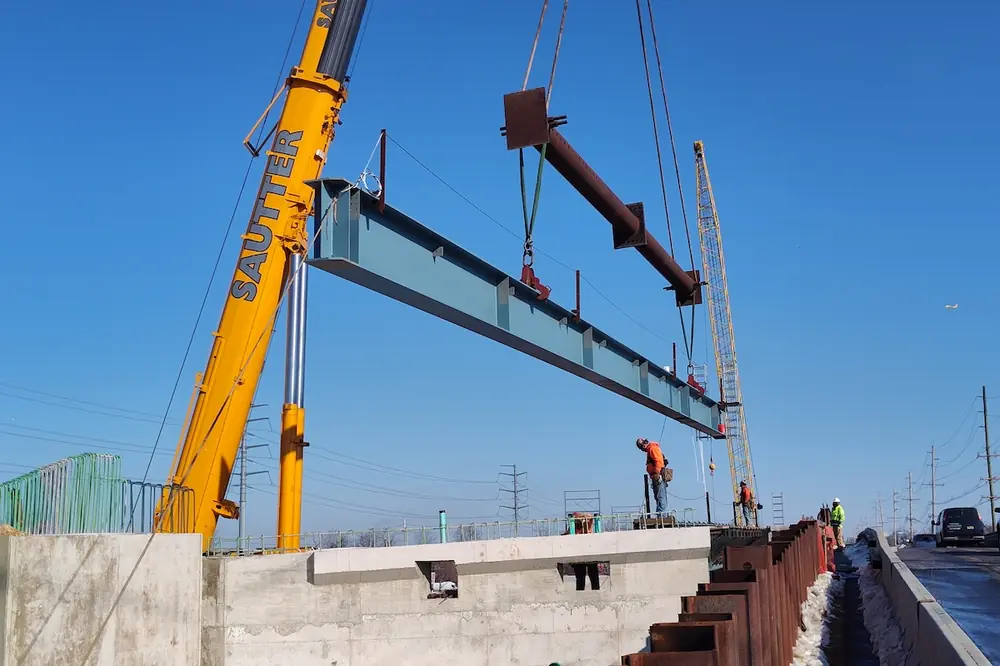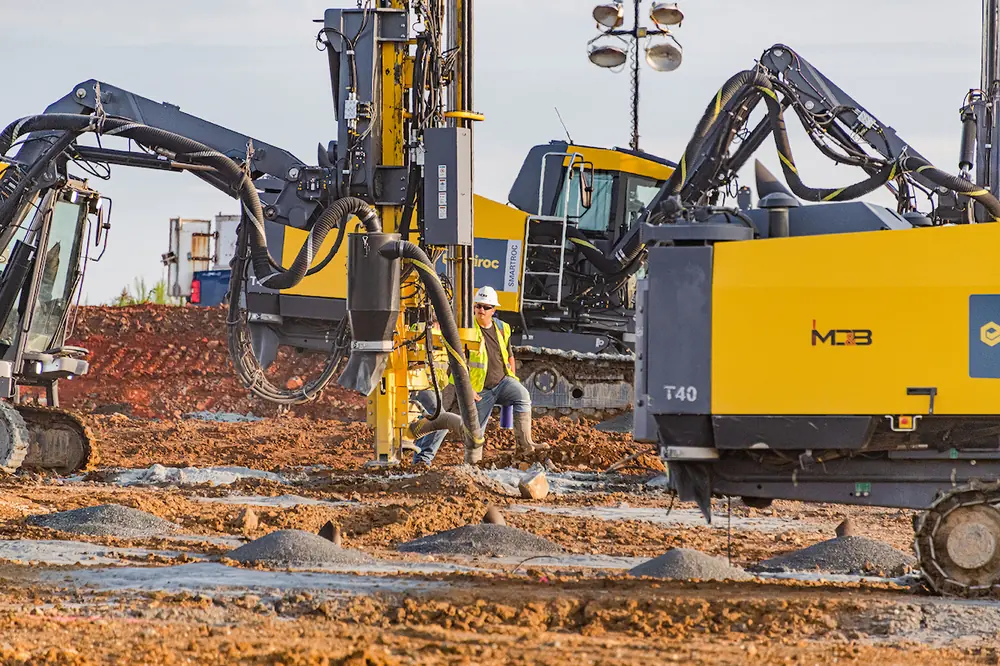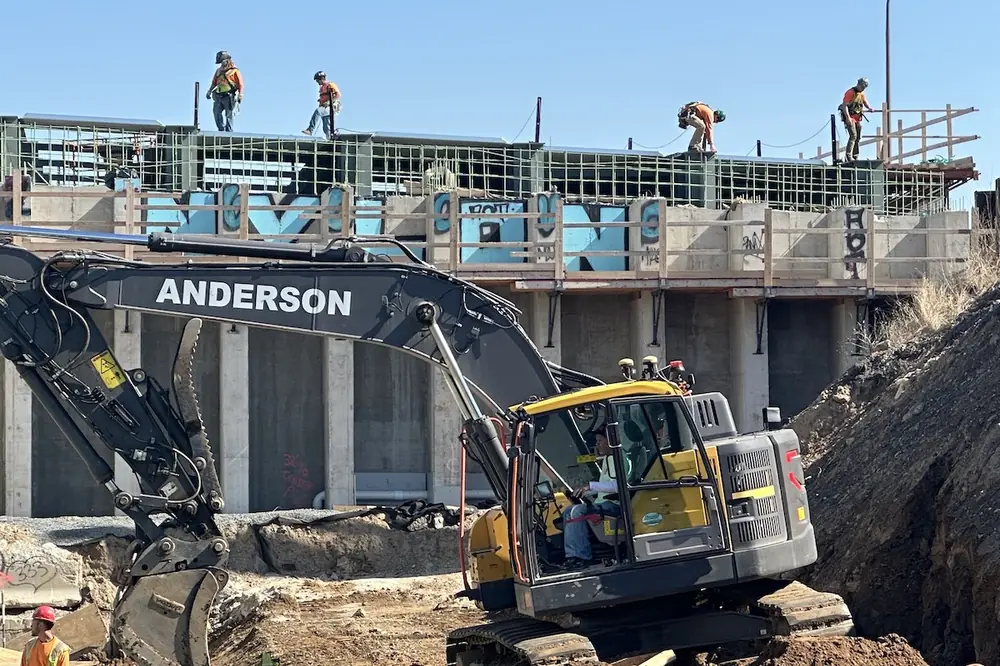
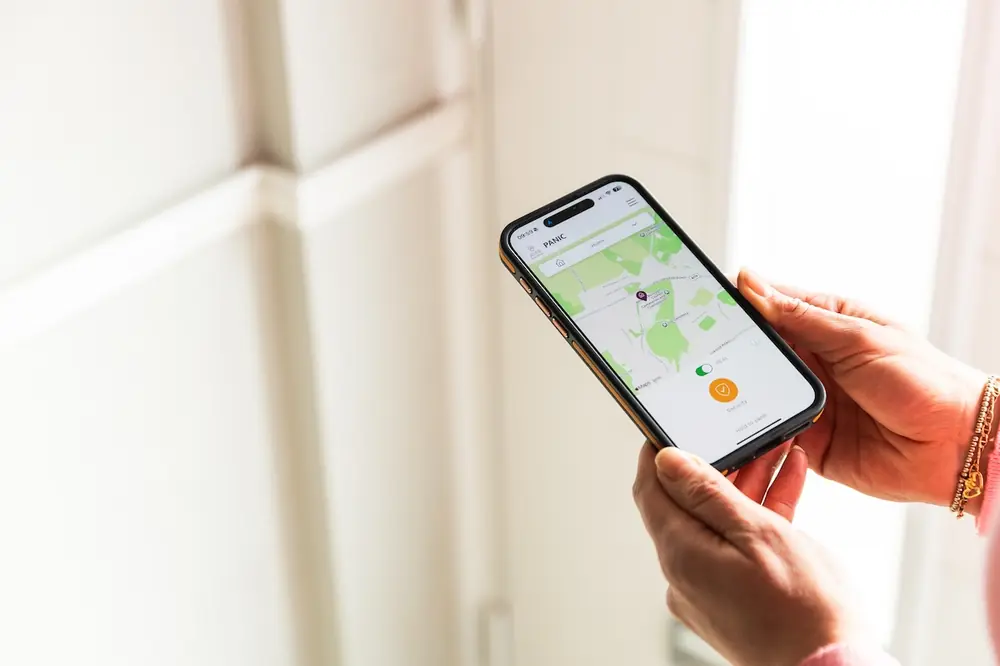


Contractors across the country are managing complex projects in an environment where schedules, budgets, and labor are already under pressure. That makes one often-overlooked problem particularly costly: theft from construction sites.
The consequences of a stolen excavator, generator, trailer, or other piece of equipment extend well beyond the value of the asset itself. A missing machine can leave crews idle, disrupt subcontractors, delay the next stage of work, and force project managers to find replacement equipment at short notice.
For heavy civil contractors in particular, where projects are often highly sequenced and dependent on specialized equipment, a single missing asset can have consequences that ripple across an entire work site.
Urban construction sites face a growing security challenge as police departments across the U.S. contend with stretched resources. In many cities, non-life-threatening incidents such as theft and burglary are deemed to be lower-priority calls, meaning contractors cannot necessarily rely on officers being able to respond to incidents onsite.
The underlying problem is clear. The National Equipment Register estimates that construction equipment theft costs the U.S. industry between $300 million and $1 billion every year, with recovery rates often below 25 percent.

| Your local Trimble Construction Division dealer |
|---|
| SITECH Allegheny |
| SITECH Northeast |
For contractors, the issue is what happens in the crucial period between an incident being detected and public authorities being able to respond. Rapid, reliable private security response is an increasingly important part of protecting construction sites, particularly in urban environments where police resources are under pressure.
For years, security innovation has focused primarily on detecting incidents faster and more accurately. Advances in video analytics, artificial intelligence, remote monitoring, and other technologies have given construction firms far greater visibility into what is happening on their sites, often in real time.
But detection is only the first step. If a camera identifies someone entering a construction site in the middle of the night, the critical question is what happens next. An alert sitting on a phone or in a monitoring center does little to protect an excavator, trailer, or generator if there is no clear process for responding to it.
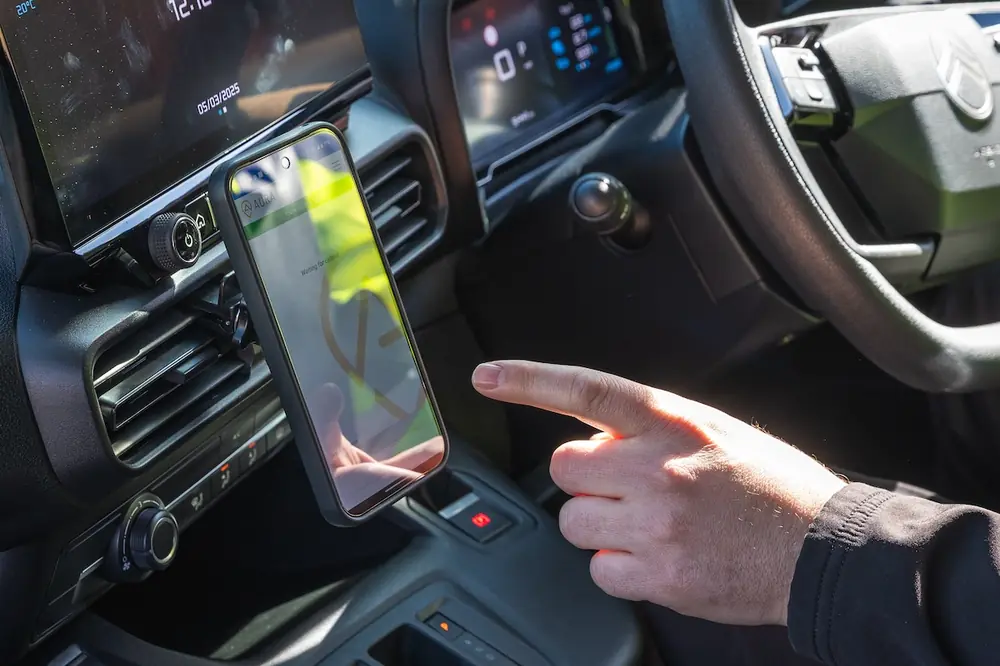
This is where the next generation of security is focused: closing the gap between detection and intervention. Rather than replacing the cameras, alarms, and tracking technologies contractors already have, technology can increasingly connect those systems to a coordinated physical response process with trained personnel.
| Your local Trimble Construction Division dealer |
|---|
| SITECH Allegheny |
| SITECH Northeast |
For contractors, that changes the role of security technology. The objective is no longer simply to know that something is happening; it is to shorten the time between identifying a threat and taking meaningful action.
Law enforcement will always play an essential role in responding to crime, protecting people, and investigating incidents. But contractors can also consider whether there are additional measures to help protect their sites during the period before officers are able to attend.
A rapid private response does not replace police intervention. Depending on the circumstances, it can provide an additional layer of protection — potentially deterring an intruder, limiting losses, and preserving evidence while the appropriate authorities are contacted.
The most important shift may be to stop viewing construction theft solely in terms of the equipment that is stolen.
| Your local Trimble Construction Division dealer |
|---|
| SITECH Allegheny |
| SITECH Northeast |
Imagine a piece of machinery worth $100,000 is taken from a project overnight. The immediate calculation is straightforward: there is a $100,000 asset that needs to be recovered or replaced.
But the real cost may be considerably higher. If that machine is required for a critical activity the following morning, crews may be unable to work. A subcontractor may have to reschedule. Deliveries may need to be rearranged. A project manager may have to source replacement equipment on short notice, potentially at a premium.
On a large infrastructure project, one delayed activity can affect several others further down the program. This is why construction firms should assess security according to its potential impact on project continuity, rather than simply the replacement value of individual assets.
Construction will always involve uncertainty. Weather can disrupt a schedule. Supply chains can fail. Equipment can break down. Labor availability can change. The objective is not to create a risk-free project. It is to make projects more resilient when something goes wrong.
| Your local Trimble Construction Division dealer |
|---|
| SITECH Allegheny |
| SITECH Northeast |
Protecting a job site is ultimately about more than protecting machinery. It is about protecting productivity, schedules, and the ability to deliver projects as planned. That requires asking a different question — not simply, “How will we know if something happens?” but “What happens in the minutes after we know?”
Those minutes can make the difference between an attempted theft that is quickly contained and an incident that becomes a costly project delay.
Security isn’t a separate function, but another part of project resilience. Combining prevention, better visibility, and a clear response plan can help ensure that a single security incident does not become a much larger construction problem.
Brandon Smith is the Vice President of AURA, a safety network that delivers on-the-ground security responses through a network of private security responders, powered by technology.