

Automation has driven explosive productivity growth in sectors such as manufacturing, but other industries have been much slower to adopt it.
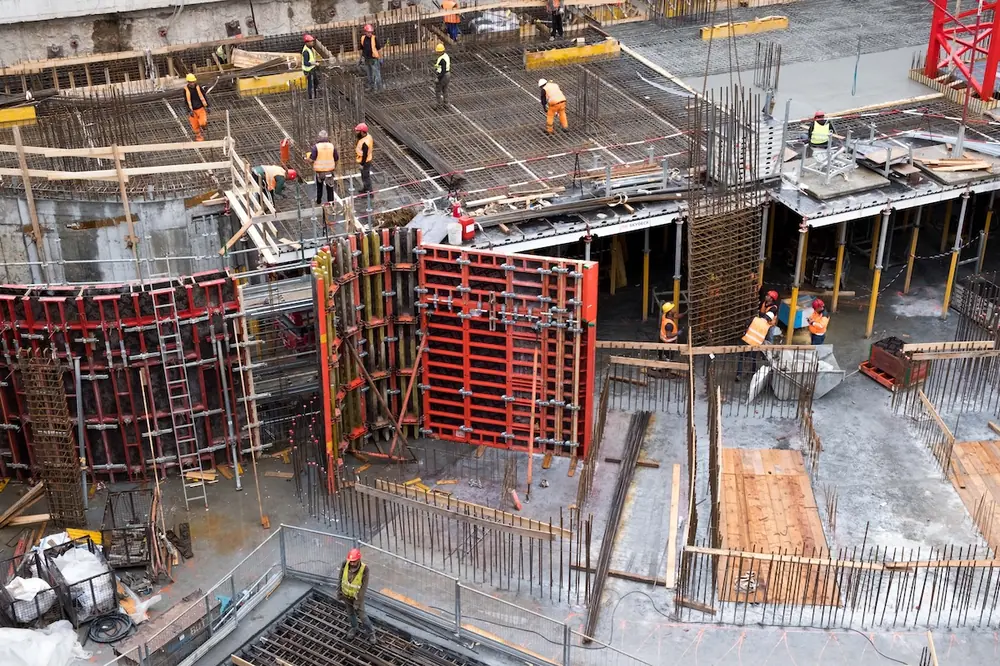
The construction industry has struggled to automate due to a series of practical constraints, such as the fact that job sites are dynamic in ways that factory floors aren’t. Each job site is unique, the layout constantly shifts, and heavy machinery moves around freely (instead of in preset patterns) alongside workers. The open-ended, ever-evolving nature of a construction job site creates a daunting set of challenges for automation.
But what if the construction industry has been thinking about automation all wrong? Firms that focus on which machines should be automated are waiting for a driverless future that may be many years away. Forward-looking firms are instead asking themselves, “Which tasks can we automate?”
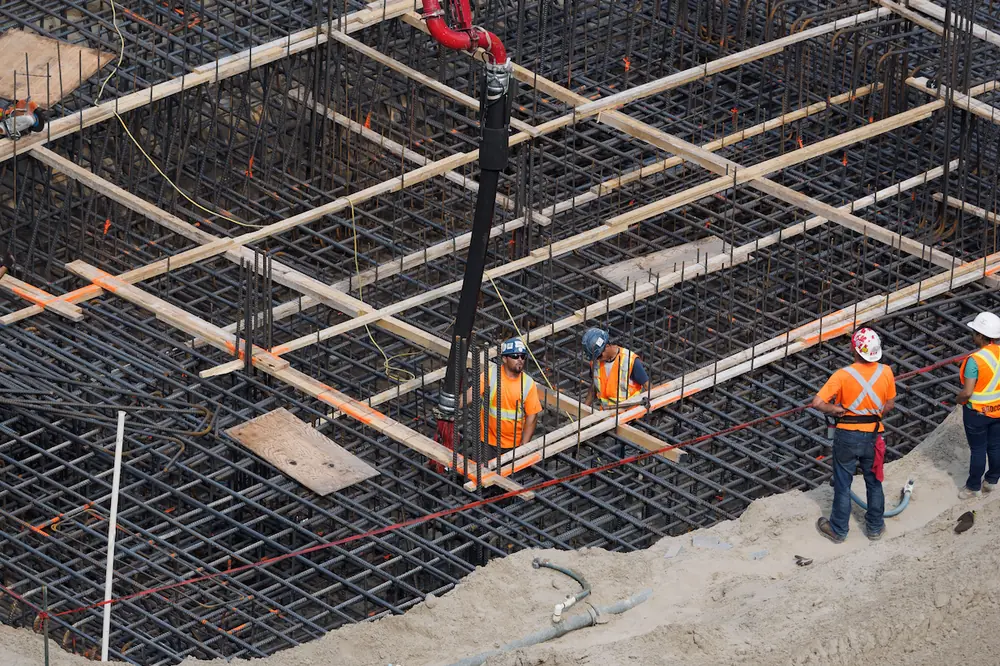
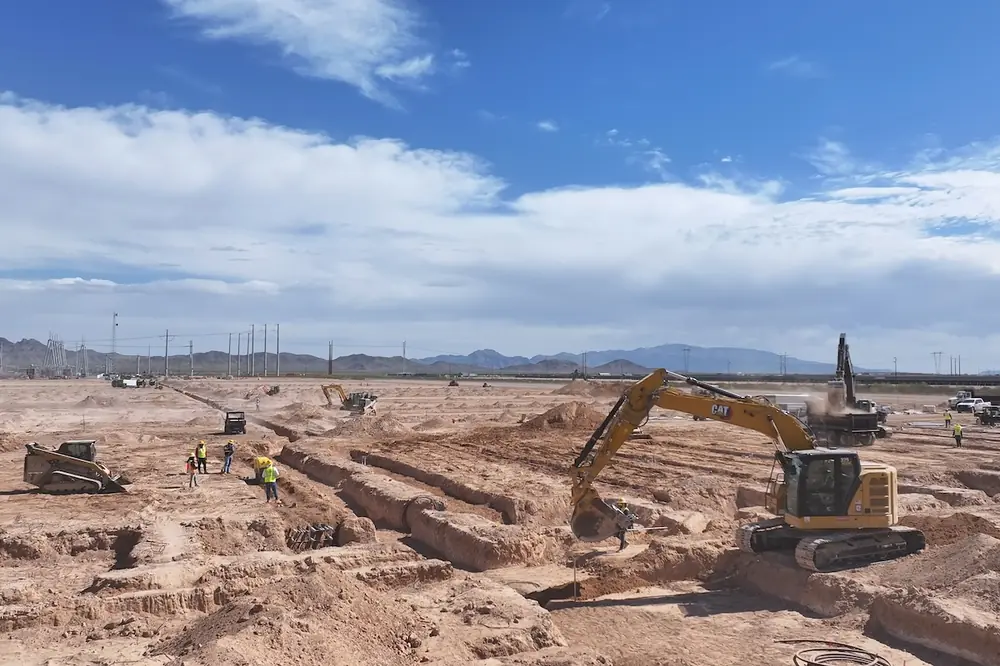
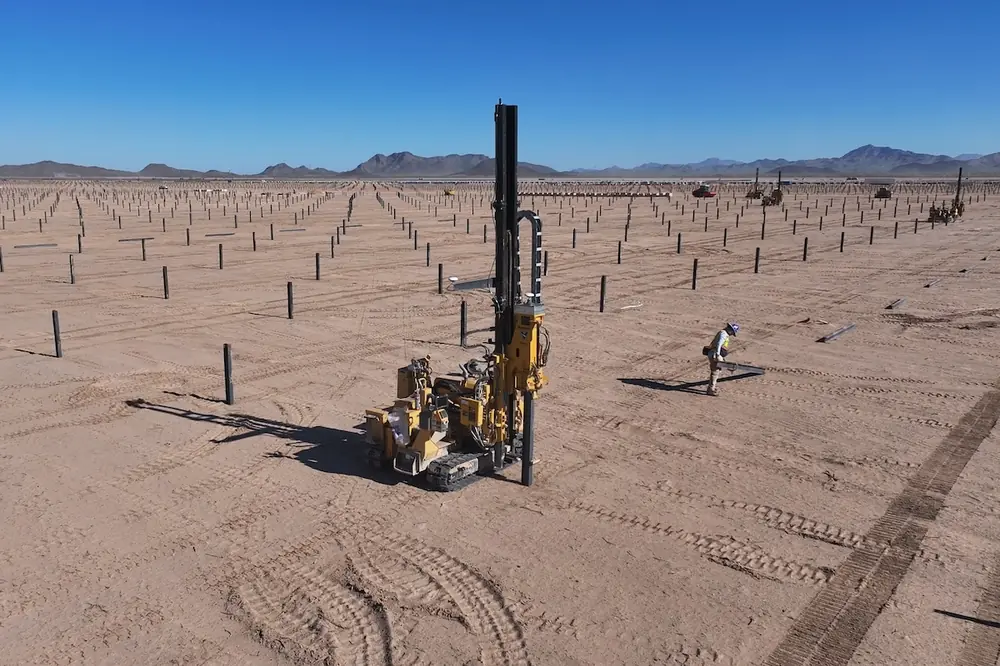
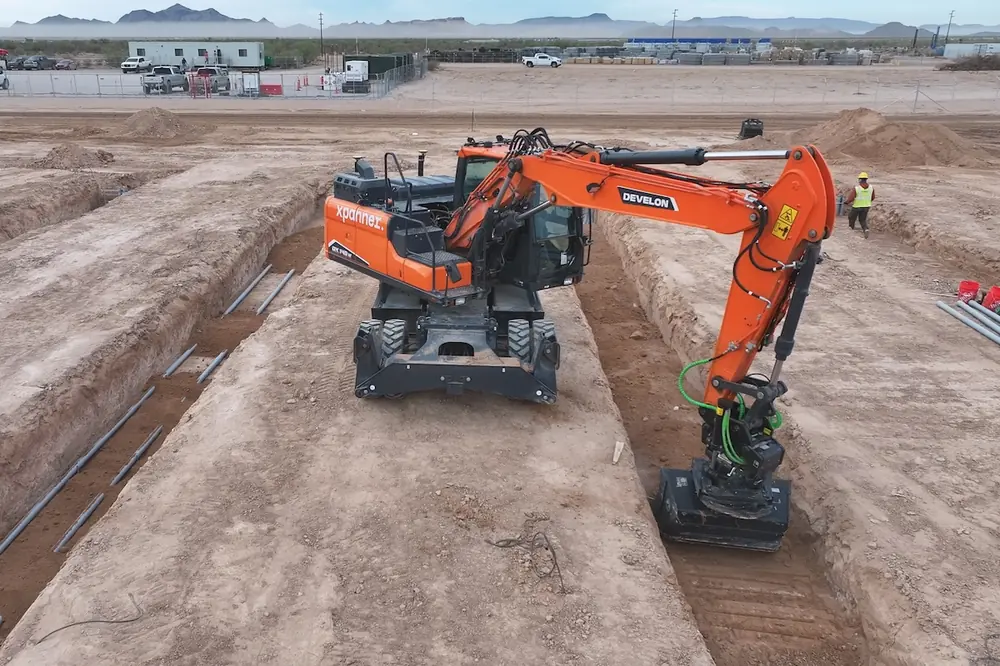
By identifying automation-ready tasks such as precision piling, excavation, and materials handling, it’s possible for firms to immediately improve productivity and safety. This is particularly true for major infrastructure projects, where automating high-impact, repetitive workflows will provide compounding efficiency gains.
Progress toward fully autonomous job sites has been thwarted by surging costs, integration headaches, and obstacles that don’t exist in other sectors like manufacturing. This is why it’s time for the construction industry to rethink its approach to automation. General autonomy isn’t working for heavy civil contractors, but task-specific automation has the potential to revolutionize workflows and inaugurate a new era of job site safety and efficiency.

| Your local Wirtgen America dealer |
|---|
| Nueces Power Equipment |
| Kirby-Smith Machinery |
Between 2000 and 2022, according to McKinsey & Company, average productivity growth in manufacturing increased at 7.5 times the rate of construction, and automation was a significant driver of this discrepancy. Productivity growth in construction was also 5 times slower than the economy as a whole.
The rapid evolution of physical AI has the potential to overturn this status quo. Automation in the construction sector doesn’t have to remain permanently out of reach, but it’s clear that the current approach of automating machines isn’t scaling quickly enough.
This is because machine automation doesn’t necessarily translate into automated workflows. Although autonomous machines are capable of doing certain jobs effectively, there are still many operational challenges that can lead to inefficiency: equipment sits idle in between tasks, manual processes (such as coordination with crews) can be a drag on productivity, and unanticipated obstructions on the job site can cause machines to pause work.
The real return on investment (ROI) for autonomous machines can be difficult to measure. While these machines work well in ideal conditions, they require more human interventions when those conditions fluctuate. It’s hard to determine how efficiency gains are being offset by hands-on management.

| Your local Bomag Americas dealer |
|---|
| WPI |
Task automation uses a more targeted approach by eliminating variability for the most repetitive, highest friction tasks in the workflow. This form of automation is much more precise and less vulnerable to disruption. ROI is compounded by repeating a single task throughout the project lifecycle. The most advanced automated machinery in the world won’t get you very far if your workflow is still slow and inefficient.
It’s time for construction firms to explore a more iterative approach to automation — focusing on specific tasks instead of trying to force the square peg of general autonomy into the round hole of real-world job sites.
Task automation can be implemented by existing crews on top of current workflows. It doesn’t require costly new machines or sweeping workflow overhauls. It’s a plug-and-play approach to automation that can be scaled to meet specific job specifications with the resources that are actually available.
The construction industry faces a significant shortfall of workers. At a time when demand for advanced construction projects is surging, labor constraints may limit the industry’s capacity to deliver critical infrastructure. This is why task automation is so critical. It can help firms fully leverage their existing workforce, and it has already proven itself in the real world through applications like pile driving in solar energy construction.

| Your local Wirtgen America dealer |
|---|
| Kirby-Smith Machinery |
| Nueces Power Equipment |
The logic of task automation applies to a wide range of projects. Firms can layer automation onto one task, validate the numbers, and move on to the next. This iterative approach means task automation can scale sustainably and effectively. While autonomous machines require significant upfront costs and create onerous logistical headaches, task automation is a leaner and more precise way to bring the power of physical AI and automation to job sites.
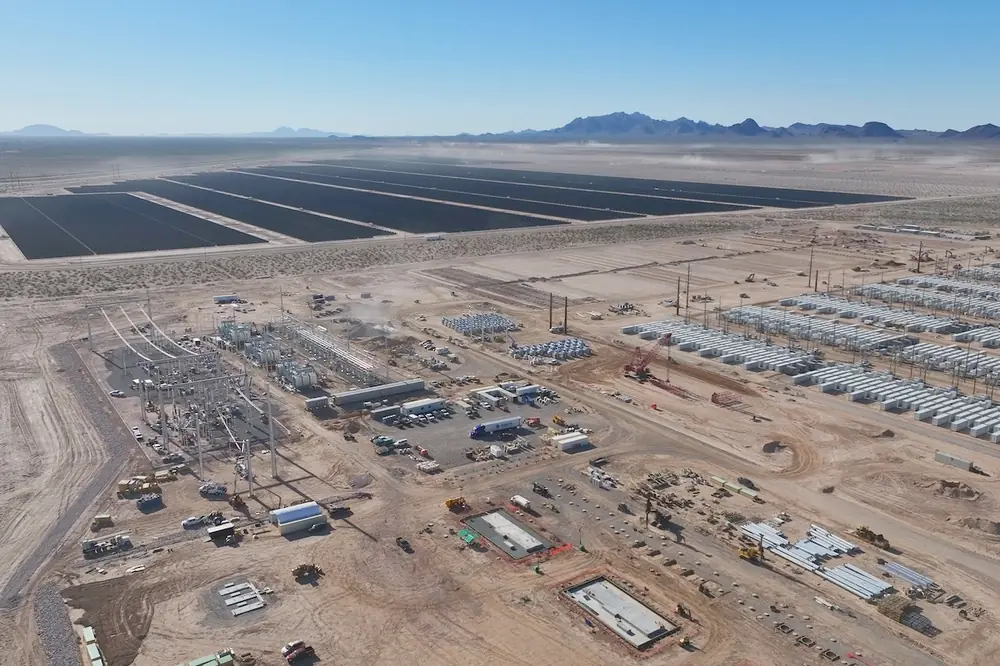
Task automation is capable of revolutionizing projects that function as the backbone of rapidly emerging industries like AI and solar. These are the fastest-growing infrastructure segments in the United States.
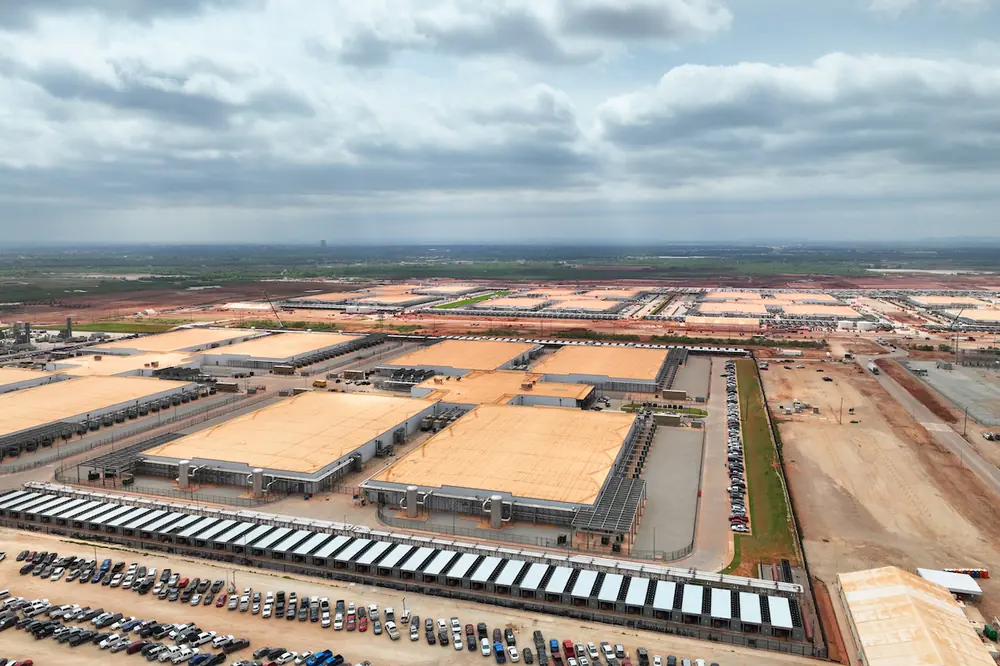
Battery energy storage system (BESS) and data center construction involve extensive, repetitive groundwork such as trenching, backfilling, and compaction — all tasks that are ideal for automation. Contractors that recognize this opportunity will be prepared to capture the next wave of ROI from task automation.
The firms in the best position to take advantage of automation aren’t the ones spending huge sums on bigger systems and equipment. They’re the ones conducting a comprehensive analysis of which tasks should be automated.

| Your local Stewart-Amos dealer |
|---|
| Closner Equipment Co Inc |
The market for AI in construction is projected to continue growing, but it’s crucial to determine which types of AI deployment make the most sense. Heavy civil contractors should be asking:
- Which tasks would have the biggest impact on our margins if they were automated today?
- Where are crews struggling the most?
- What are the biggest sources of friction?
- Which tasks have the greatest room for improvement?
After completing this evaluation, firms will be able to make highly targeted investments in task automation that seamlessly integrate with workflows.
It has been a long time coming, but the era of automation is finally here for the construction industry. Contractors just need to make sure they invest in the type of automation that maximizes their ROI, minimizes disruption, and improves safety. These investments will put contractors in a strong position to lead the next generation of advanced construction projects.
Henri Lee is the Co-founder and CEO of Xpanner, a startup company pioneering construction site automation through robotics and physical AI. He previously spent two decades in executive positions leading innovation at Bobcat and Hyundai Infracore.