



Across the construction industry, data centers are no longer a niche project type operating in their own lane. Their growth is reshaping the conditions everyone else has to build within.
That shift can be easy to miss if you are not involved in large-scale data center development. A contractor pricing a commercial or infrastructure project may not think of data centers as part of their world. In reality, they are competing in the same labor markets and supply chains.
The result is a market that feels far less predictable than it did even a few years ago. Lead times are harder to trust. Specialized labor is more difficult to secure. Procurement decisions that once could wait until later in design now may need to happen much earlier. For contractors and owners outside the data center space, one of the biggest risks is assuming the rest of the market is still operating under normal conditions.
It is not.
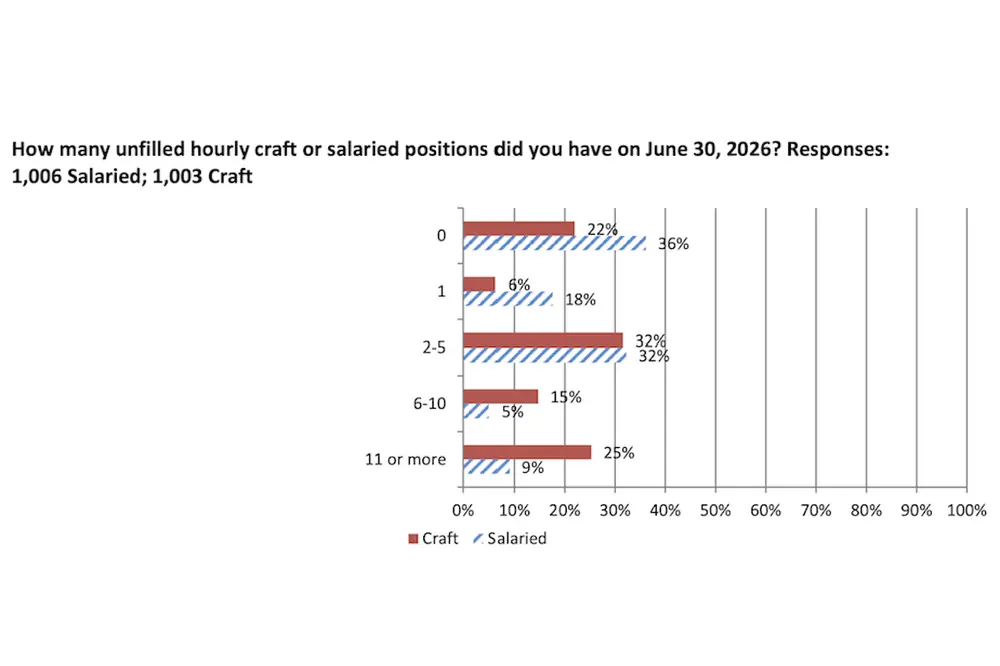
The industry was already dealing with workforce pressure before data center development accelerated. An aging labor force and fewer people entering the trades had already narrowed the margin for available talent. What the data center boom has done is intensify competition for some of the most constrained roles.

| Your local Trimble Construction Division dealer |
|---|
| SITECH Northwest |
| SITECH Mid-America |
| SITECH Dakotas c/o Butler Machinery |
That includes project managers and program leaders who can operate in complex delivery environments, but the sharpest pressure is showing up in technical and trade-heavy scopes. Electrical trade partners are in especially high demand because data centers are driven by massive power requirements, redundant systems, and aggressive commissioning expectations. On larger campuses, multiple electrical contractors may be stacked on the same job simply to hit schedule milestones.
The same pattern is emerging around commissioning specialists, safety professionals, and quality leaders. Building a shell is one challenge. Bringing a data center online reliably is another. That requires a narrower band of experience, and demand for those specialists is rising well beyond the projects that employ them directly.
This is where the ripple effects spread. Even teams building in other sectors are facing tighter labor availability, particularly on projects with large electrical loads, complex cooling systems, or intensive commissioning.
Labor pressure is not just a recruiting issue. It is also a retention issue.

| Your local Volvo Construction Equipment dealer |
|---|
| Nuss Truck & Equipment |
Data center work can be attractive because of its scale, speed, and complexity. For professionals early in their careers, it can look like a fast track to major-project experience. But those same conditions also create demanding environments, with relentless schedules and little margin for delay.
Across the industry, more professionals are making intentional decisions about what kind of work they want to stay in. Some are drawn to data centers for the experience. Others eventually look to step out of that environment and into sectors that offer a different pace or team structure. That movement is contributing to a more fluid labor market than many contractors were used to a decade ago.
For construction firms, this has become a strategic issue, not just a staffing one. The question is no longer only how to win talent. It is how to give people compelling career opportunities without assuming every high performer wants to build their careers around data center work indefinitely.
Labor is just part of the equation. These projects also reshape demand for many of the same materials and systems other sectors rely on, including structural steel, switchgear, transformers, and cooling equipment.

| Your local Komatsu America Corp dealer |
|---|
| Road Machinery and Supplies Company |
Those are not data-center-only materials. They are central to infrastructure, healthcare, logistics, and manufacturing work as well. As more of that capacity is absorbed into data center development, availability tightens and pricing becomes harder to predict elsewhere.
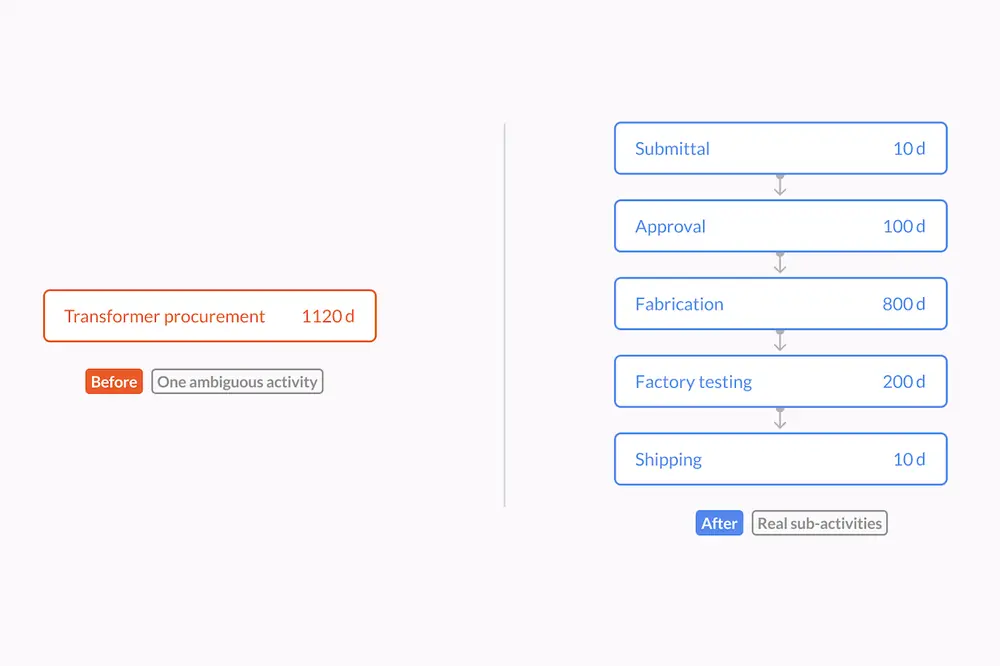
Precast concrete panels are one example. In some cases, lead times that once felt manageable have stretched to nearly a year. Similar pressure has affected switchgear and other large electrical components for much longer. The challenge is not simply higher material costs. Extended lead times can disrupt entire project schedules when teams assume old procurement timelines still apply.
That is forcing difficult conversations earlier in the project life cycle. In some cases, teams may need to reserve fabrication capacity, place deposits, or lock in purchasing decisions before design is fully complete. Those moves can feel premature, but they are increasingly necessary when the alternative is discovering too late that critical production space is gone.
One of the most common traps for owners outside the data center market is relying on historical assumptions. A capital plan based on a similar project five years ago, even with escalation, may no longer reflect current market conditions. That gap becomes a serious problem when an owner secures internal budget approval based on one set of assumptions, only to find out later that actual pricing and procurement realities support another.

| Your local Gomaco dealer |
|---|
| Gomaco -Contact For a Dealer Near You |
Schedule assumptions can break down the same way. Teams may believe they have enough float to carry a project through permitting, procurement, and mobilization phases, only to find that long-lead equipment, utility coordination, or fabrication bottlenecks shift the entire sequence. In a market like this, theoretical schedules are no longer enough. Teams have to understand what the market will actually support at the moment they are trying to buy and build.
That is especially true for projects with large electrical loads, intensive cooling demands, or envelope systems that overlap with data center procurement channels. Those projects may not look like large data center projects on paper, but they are still competing for many of the same resources.
The good news is that contractors and owners are not powerless in this environment — but they do need to plan differently than they may have a decade ago.
Start Earlier Than You Think You Need To
Early engagement matters, not as a slogan but as a real risk-management strategy. Getting preconstruction, procurement, and key trade input involved sooner gives teams a better chance of identifying where the pressure points are before budgets and schedules are treated as fixed.
| Your local Trimble Construction Division dealer |
|---|
| SITECH Northwest |
| SITECH Mid-America |
| SITECH Dakotas c/o Butler Machinery |
Build Flexibility Into the Design
Design flexibility is becoming more valuable as supply conditions shift. If a project depends on one material or one construction approach, it becomes more vulnerable when availability changes. Teams that evaluate alternate systems early have more room to adapt without losing months to redesign later.
Integrate Procurement Strategy
Procurement strategy needs to be more integrated as well. On some projects, the best results come when owner and contractor procurement teams work in tandem, sharing visibility into long-lead items, production slots, and purchasing leverage. That collaboration can surface options earlier and reduce the odds of late-stage surprises.
Don’t Overlook the Organizational Impact
Market disruption puts pressure on people and organizations, not just schedules. Companies that want to navigate this environment well need systems that can absorb growth, onboard talent effectively, and support teams operating under sustained delivery pressures.
Data centers are not a temporary side story in construction. They are becoming part of the market backdrop everyone else has to respond to.
| Your local Trimble Construction Division dealer |
|---|
| SITECH Northwest |
| SITECH Mid-America |
| SITECH Dakotas c/o Butler Machinery |
That does not mean every owner should suddenly think like a data center developer, but it does mean they should stop assuming the construction environment is operating on yesterday’s terms. Labor, materials, and schedule risk are being shaped by forces that extend well beyond any one project sector.
The firms that respond best will be the ones willing to update their assumptions, make earlier decisions, and stay flexible when the market shifts. In today’s construction environment, realism is becoming a competitive advantage.
David Florence is Chief Strategy Officer at Frampton Construction.