






The construction workforce shortage is often framed as a recruiting problem. In reality, it is a visibility problem. Many people simply never see construction as a viable career path.
Sustainable workforce growth requires creating visible, supported pathways into the industry and helping people understand where construction careers can lead. Contractors that invest in workforce ecosystems — not just hiring tactics — are better positioned to build long-term talent capacity.
Three strategies work together to create sustainable construction workforce pipelines: early exposure programs that introduce students to construction careers, structured apprenticeship programs that provide "earn while you learn" pathways, and technology integration that makes training safer and more accessible.
For decades, students have been systematically steered toward four-year degrees without a complete understanding of construction opportunities. Parents and guidance counselors may also have limited awareness of modern construction careers, viewing the industry through outdated assumptions. Compounding this challenge, career perceptions now begin forming even before high school. Many school systems introduce career exploration programs in middle school, making early intervention critical.
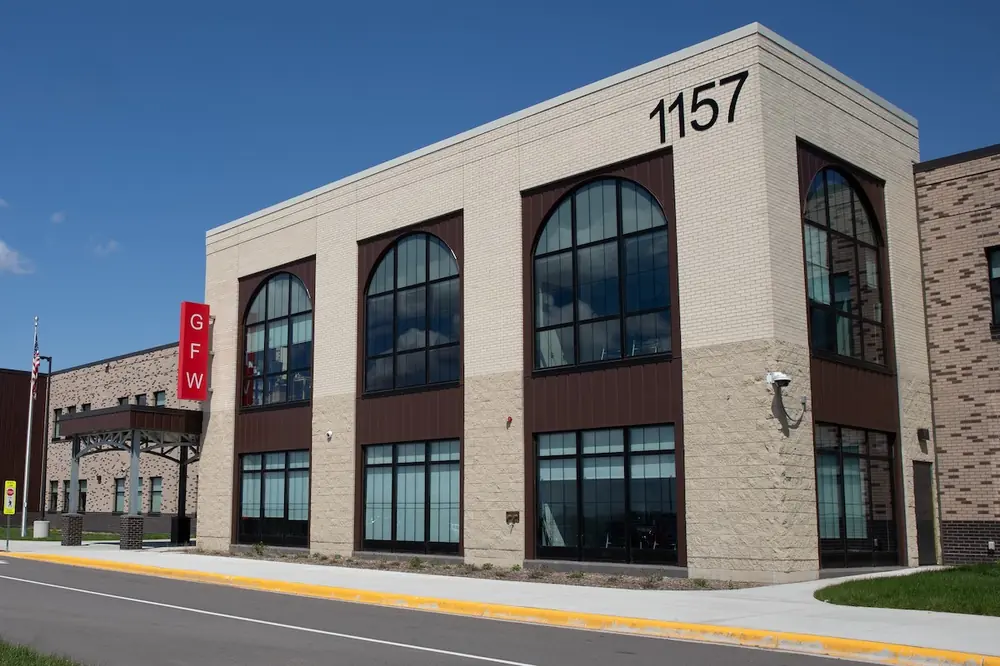
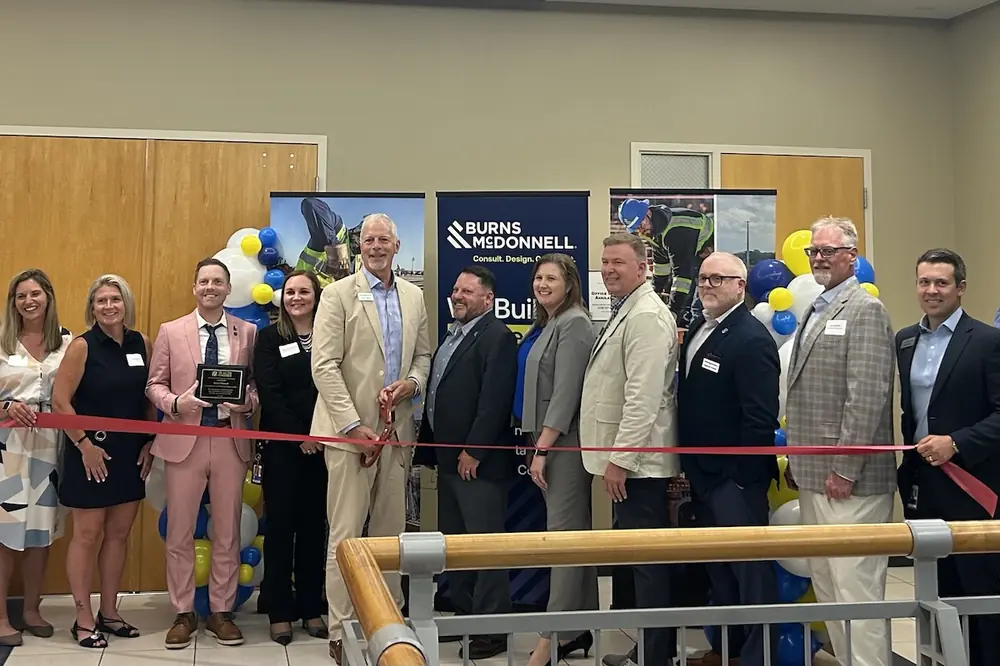
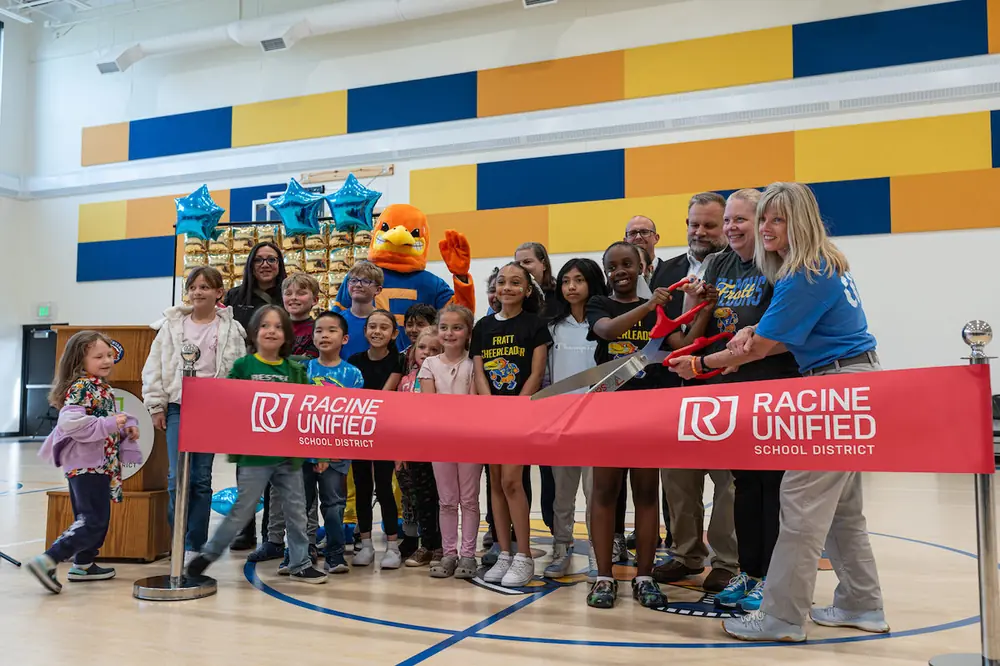
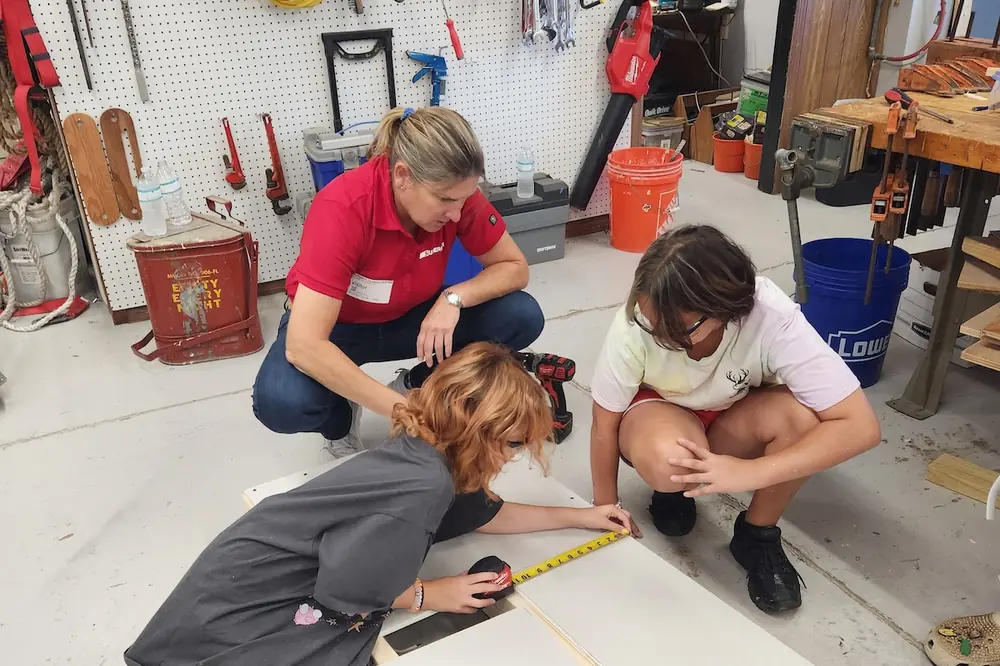
Strategic school partnerships offer a solution. Partnerships with regional school districts can bring construction education directly into middle and high schools, combining classroom learning with job site visits and mentorship. Well-executed programs can reach hundreds of students annually through career days, construction camps, and hands-on experiences.

| Your local Trimble Construction Division dealer |
|---|
| SITECH Northwest |
| SITECH Mid-America |
| SITECH Dakotas c/o Butler Machinery |
The key is making participation easy for educators who are already stretched thin. Rather than asking schools to create new programs, contractors should integrate into existing career exploration frameworks and handle the logistics themselves — developing curriculum, creating materials, and coordinating events.
When barriers are removed for guidance counselors and teachers, those educators become advocates rather than obstacles.
Early exposure strengthens both recruitment and retention by creating relationships years before hiring decisions happen. Success requires consistency and treating school partnerships as educational investments rather than recruiting pitches. When students see construction as a viable first choice rather than a backup plan, they enter the industry with different expectations and stronger commitment.
Many people enter construction but struggle to see where their careers could lead. Informal "learn on the job" approaches create inconsistent skill development, and without clear advancement pathways, retention suffers even when workers are capable and motivated.

| Your local Volvo Construction Equipment dealer |
|---|
| Nuss Truck & Equipment |
Structured apprenticeship programs using nationally recognized curricula — such as National Center for Construction Education and Research (NCCER) standards — offer a solution. They provide clear career progression while removing the financial barriers of traditional education.
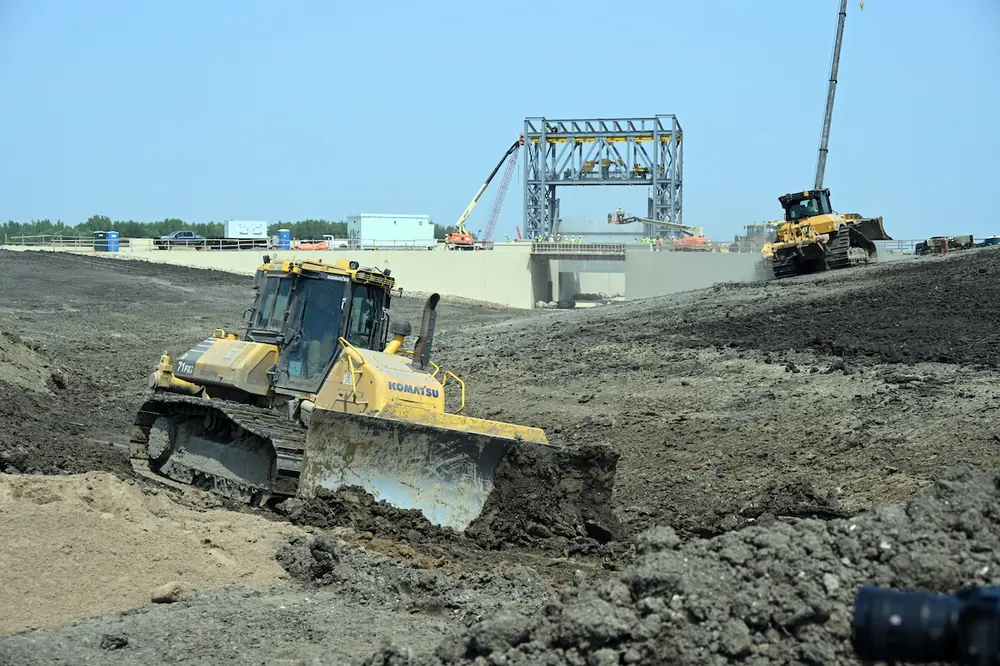
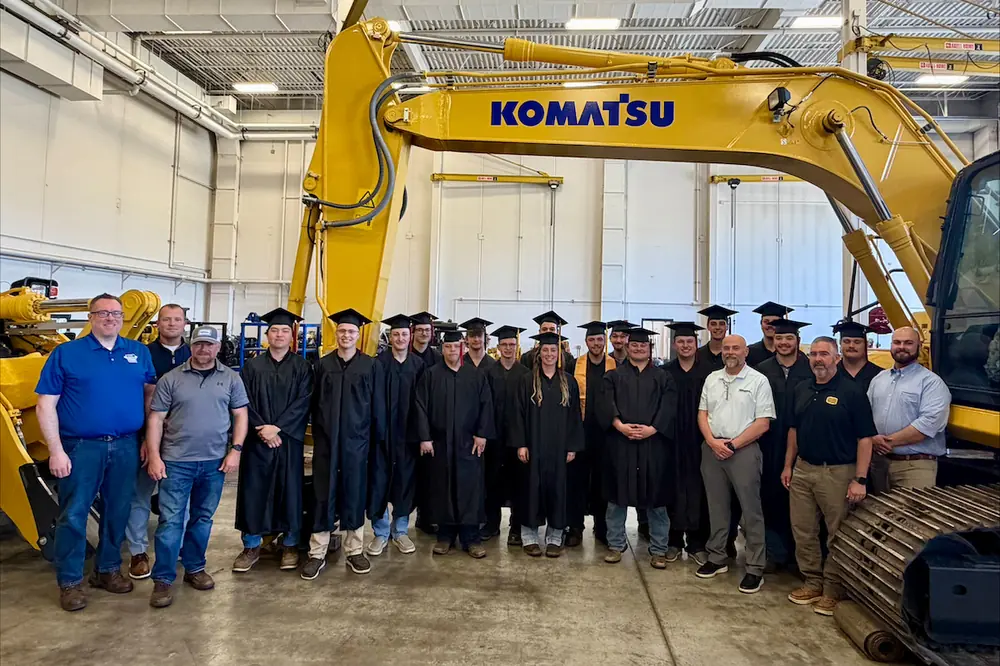
A comprehensive equipment operator program, for example, may include more than 300 hours of combined classroom instruction, simulator training, and field operations. Participants complete modules for specific equipment, with performance evaluators monitoring progress. Graduates earn qualifications that align with state department of transportation on-the-job training requirements.
From an investment perspective, these programs strengthen safety, performance, and retention while signaling long-term commitment to employees. A critical success factor is using experienced field professionals as instructors, which transfers institutional knowledge systematically and preserves expertise before veteran workers retire.
Programs can be developed for heavy equipment operation, carpentry, pipe laying, or other specialized skills. The essential elements remain consistent: structure, recognition, clear advancement pathways, and a focus on transferable skills. Some contractors are even exploring ways to open their programs to industry partners, recognizing that strengthening the overall construction workforce benefits the entire sector.

| Your local Komatsu America Corp dealer |
|---|
| Road Machinery and Supplies Company |
Today's students and younger workers have grown up with technology. Construction must meet them in that digital environment.
Traditional recruiting methods struggle to connect with digitally native students. After workers enter the industry, conventional training methods create new problems: safety risks from putting inexperienced operators on equipment too quickly and limited practice opportunities due to production pressures.
Training technology offers solutions at multiple stages of the workforce pipeline.
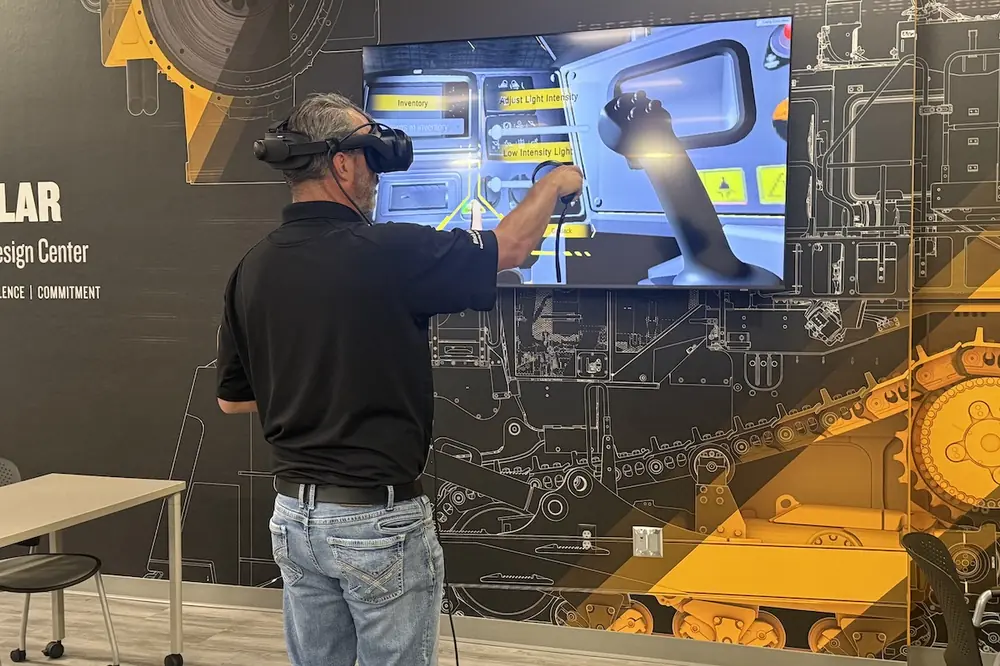
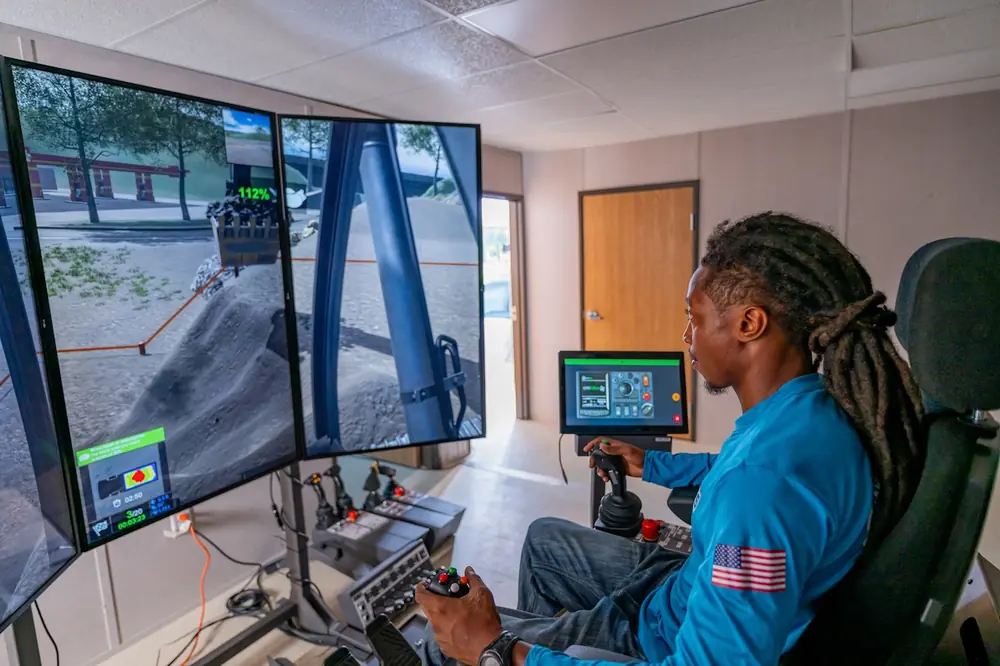
Mobile virtual reality (VR) setups used during school visits allow students to virtually operate equipment, practice safety procedures, and explore different trades without setting foot on a job site. This interactive experience captures attention while avoiding the logistics and safety challenges of bringing large groups onto active sites.

| Your local Gomaco dealer |
|---|
| Gomaco -Contact For a Dealer Near You |
For workers entering apprenticeships or developing new skills, simulator training allows repeated practice without production impact. Trainees build muscle memory, experience equipment responses, and make mistakes in controlled environments. When they transition to field operations, they already understand controls and basic operations.
When properly implemented, programs integrating simulator training with classroom instruction and field operations can significantly reduce the time required to develop competent operators.
Technology should always serve a clear purpose. The most successful implementations solve real workforce challenges rather than simply adding new tools.
A few key questions can help identify where to begin:
- Which stage of the workforce pipeline is weakest in your region?
- What education or workforce partnerships already exist that you could join?
- What internal capacity do you have for training and mentorship?
- Which approach aligns with your company's size and resources?
| Your local Trimble Construction Division dealer |
|---|
| SITECH Northwest |
| SITECH Mid-America |
| SITECH Dakotas c/o Butler Machinery |
Start where you can make the greatest impact. Sustainable workforce development is measured in years, not months.
The construction workforce shortage requires industry-wide solutions, not just competitive recruiting that circulates the same workers among employers. Contractors who build early exposure programs, apprenticeships, and training infrastructure are creating the next generation of construction professionals and strengthening the industry for decades to come.
Amy Henningfield is Director of Workforce Development at Superior Construction and has more than 30 years of industry experience. She serves on the Northwest Indiana Workforce Board; Indiana Constructors, Inc., Workforce Board; the Northwest Indiana Influential Women’s Association; and the Indiana Career Apprenticeship Pathway Committee.
Jessica Paske, SHRM-SCP, CPTD, is Director of Organizational Development at Superior Construction, where she has worked since 2007. She led development of the company's NCCER-accredited apprenticeship programs and is President of the Northeast Florida Chapter of the Association for Talent Development.
| Your local Trimble Construction Division dealer |
|---|
| SITECH Northwest |
| SITECH Mid-America |
| SITECH Dakotas c/o Butler Machinery |
Henningfield and Paske are founding steering committee members of the Superior Women in Construction program, which has achieved 100 percent promotion rates for its leadership graduates.